The Skin Care Blog

Menopause & Your Skin: What’s Really Happening (and How to Restore Your Glow)

  • by

As women move through Peri-menopause and menopause, it can feel like your skin is changing overnight — suddenly drier, more sensitive, more uneven, or less firm than it used to be. Many of my clients tell me they feel like nothing works anymore, or that their skin “doesn’t behave like it used to.”

The truth is your skin is changing — on a cellular and hormonal level.

But once you understand what’s happening beneath the surface, you can finally treat your skin with biology, not against it.

Let’s break it down in a way that makes sense.

1. The Drop in Estrogen: Why Everything Starts Here

Estrogen isn’t just a reproductive hormone — it’s one of the most powerful “youth-supporting” molecules in your entire body. Your skin has estrogen receptors all throughout the dermis (the deepest layer of skin where collagen, elastin, and hydration live).

When estrogen declines, several things happen simultaneously:

• Collagen production drops by up to 30% in the first five years

Collagen gives your skin firmness, bounce, and structure. With less estrogen, fibroblasts (the cells that make collagen) slow down significantly.

What you may notice:

– Skin feels thinner

– Fine lines appear faster

– The “snap-back” isn’t as strong

• Elastin weakens

Elastin is the protein that lets your skin stretch and return to place. Estrogen decline means elastin fibers become looser and less organized.

What you may notice:

– Skin feels less tight than before

– The lower cheeks and jawline may feel softer or more “relaxed”

• Hyaluronic acid production decreases

Your skin naturally makes its own hyaluronic acid — the molecule that holds 1,000x its weight in water.

What you may notice:

– Dehydration

– Crepiness

– Makeup not sitting well

– A persistent feeling of dryness

2. Oil Gland Changes: Why Your Skin Suddenly Feels Dry & Irritable

Estrogen plays a role in regulating sebaceous (oil) glands. When estrogen drops:

  • Oil production decreases
  • The skin barrier becomes weaker
  • Moisture escapes more easily
  • This leads to trans-epidermal water loss (TEWL) — which simply means water evaporates out of the skin faster than before.

What you may notice:

– Dry, flaky patches
– Skin that feels tight even after moisturizing
– Increased sensitivity or redness
– Products you once loved now sting

This is why women often say, “My skin feels like paper” or “Everything burns now.”

It’s not in your head — it’s physiology.

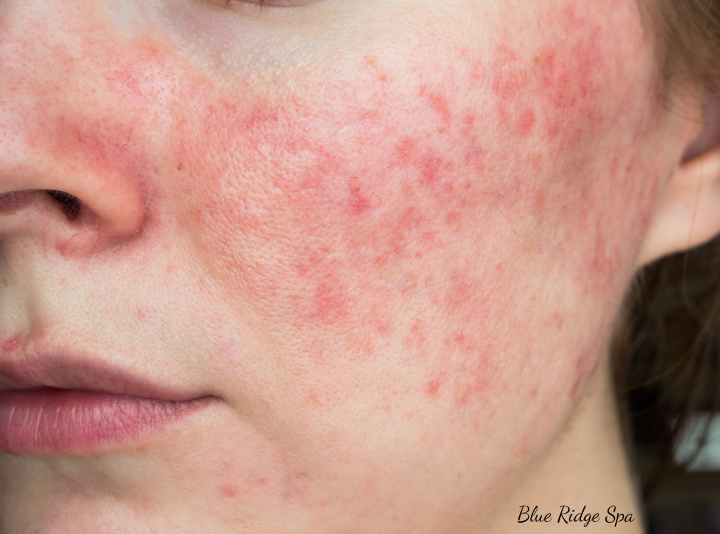
3. Hormonal Shifts Trigger Inflammation & Redness

During Peri-menopause and menopause, fluctuating hormones can increase inflammatory signaling in the skin.

Add in a weakened barrier, and you may get:

  • Rosacea flares
  • More visible capillaries
  • Warm, irritated cheeks
  • Breakouts that behave differently than earlier in life

This combination of dryness + redness + reactivity is one of the most common menopausal skincare concerns I treat.

4. Cell Turnover Slows Down

Estrogen helps regulate keratinocyte turnover (skin cell renewal). When levels drop, skin cells shed more slowly.

What you may notice:

– Dull complexion

– Dark spots lingering longer

– Uneven texture

– A “lackluster” look

This is why gentle exfoliation becomes essential — not heavy exfoliation, but controlled, hydrating, supportive exfoliation.

5. Why Targeted Menopausal Facials Work

Because menopausal skin has unique, layered concerns, treatments must be both corrective and deeply restorative.

The Balance & Restore Facial is designed to work with the biology of menopausal skin:

✔ Supports collagen with peptide and growth factor technology

Peptides signal fibroblasts to behave younger and rebuild firmness.

✔ Strengthens the barrier with ceramides, omegas, and soothing botanicals

This reduces inflammation and protects hydration levels.

✔ Re-hydrates deeply with hyaluronic acid boosters

Ideal for combating dryness, crepiness, and tightness.

✔ Calms redness and restores comfort

Perfect for hot flashes, irritation, or rosacea-like flareups.

✔ Encourages healthy cell turnover

Reveals fresh, radiant skin without overwhelming sensitivity.

6. You’re Not “Aging Wrong.” Your Skin Just Needs Different Support.

Menopause isn’t a decline — it’s a transition.

Your skin simply needs a new strategy, a new rhythm, and new nutrients to thrive.

With the right professional treatments and a personalized homecare plan, menopausal skin can become:

✨ Radiant

✨ Firm

✨ Comfortable

✨ Hydrated

✨ Balanced

You deserve to feel confident in your skin again — and I’m here to help you every step of the way.

Ready to Support Your Skin Through Menopause?

If you’re experiencing dryness, sensitivity, redness, or changes in firmness during Peri-menopause or menopause, you don’t have to navigate it alone. I specialize in helping women 40+ restore comfort, glow, and confidence in their skin again.

To schedule your Balance & Restore Menopausal Facial or to book a skincare consultation:

📍 Blue Ridge Spa

185 N. Main Street, Suite K, Rutherfordton, NC

📞 828-289-7183

📧 [email protected]

How Dairy Affects the Skin: The Truth About Milk, Acne & Inflammation

  • by

🌿 How Dairy Impacts Your Skin Health

Many people don’t realize how closely diet and skin health are connected. For some, dairy can be a hidden trigger for acne, inflammation, and uneven skin tone. Even if your skincare routine is flawless, what you eat can influence your complexion from the inside out.

So how exactly does dairy affect your skin? Research points to several key factors — from natural hormones in milk to its impact on insulin levels and inflammation.

🧬 Hormones in Dairy Can Trigger Breakouts

Even organic or hormone-free milk contains natural growth hormones, such as estrogen and insulin-like growth factor 1 (IGF-1). These can increase oil production and accelerate skin cell turnover, both of which can clog pores and lead to acne.

High levels of IGF-1 are associated with inflammatory acne, particularly around the chin and jawline. This explains why many people notice clearer skin after cutting back on milk, cheese, and other dairy-based foods.

🔥 Dairy and Inflammation

Dairy can also contribute to systemic inflammation for those who are sensitive or mildly intolerant. When your body reacts to dairy proteins like casein or whey, it can trigger redness, puffiness, and deeper breakouts that take longer to heal.

Reducing inflammation through diet not only helps your skin but also supports overall wellness — improving energy, digestion, and immune balance.

🥛 Skim Milk vs. Whole Milk: What’s the Difference?

Not all dairy products affect your skin equally. Studies have shown that skim milk tends to have the strongest link to acne. This may be because removing fat changes how the body processes milk proteins and hormones.

By contrast, whole milk, cheese, and butter often cause fewer issues for some individuals because they contain less lactose and fewer processed milk proteins.

Fermented dairy options, like Kefir and yogurt, may even support clearer skin due to their probiotic content, which helps maintain gut health — a key factor in managing acne and inflammation.

🌸 Signs Dairy Might Be Affecting Your Skin

Wondering if dairy is behind your skin issues? Look for these common signs:

  • Breakouts along the chin, jawline, and cheeks
  • Cystic acne that flares up after dairy-rich meals
  • Redness, puffiness, or inflammation that lingers
  • Rough texture or clogged pores

If you notice these symptoms, try keeping a food and skin journal. Track how your complexion looks after consuming dairy products to identify patterns.

🌿 How to Transition to a Dairy-Free Skincare Diet

If you suspect dairy is affecting your skin, start with a 3- to 4-week dairy elimination plan. Replace milk, cheese, and cream with skin-friendly alternatives such as:

  • Oat milk, almond milk, or coconut milk
  • Plant-based yogurts and Kefirs with probiotics
  • Vegan cheese made with cashews or nutritional yeast

Many people notice less inflammation, fewer breakouts, and a brighter complexion after a few weeks without dairy.

💧 Nourish Your Skin From the Inside Out

For a glowing complexion, pair your topical skincare with supportive nutrition. Focus on:

  • Hydration: Drink plenty of water to support skin elasticity.
  • Anti-inflammatory foods: Include berries, leafy greens, turmeric, and omega-3s.
  • Gut health: Add probiotics through supplements or fermented foods.
  • Skincare consistency: Maintain a routine that includes gentle exfoliation and moisture barrier repair.

✨ The Bottom Line: Is Dairy Bad for Your Skin?

While dairy doesn’t cause skin problems for everyone, it’s a common acne and inflammation trigger for many. If you’ve tried every product and still experience congestion or redness, adjusting your diet may be the missing link.

Your skin reflects your internal balance — and making small dietary changes, like reducing dairy, can have a powerful impact on your glow.

💆‍♀️ Personalized Skincare Guidance

If you’re ready to explore how your diet and skincare routine work together, schedule a Custom Skincare Routine Consultation. During your session, we’ll assess your current products, lifestyle, and nutrition to design a plan that helps your skin thrive from the inside out.

📍 Blue Ridge Spa
📞 828-289-7183
📧 [email protected]

How Stress Affects Your Skin & What You Can Do About It

  • by

Life gets busy, and stress is something we all experience—but did you know it can take a serious toll on your skin? Whether it’s a big work deadline, lack of sleep, or just the hustle of daily life, stress can show up on your face in ways you might not expect. Let’s break down how stress affects your skin and, more importantly, what you can do to keep your complexion healthy and glowing.

The Science Behind Stress & Your Skin

When you’re stressed, your body releases hormones like cortisol and adrenaline as part of the fight-or-flight response. While this is helpful in short bursts, chronic stress keeps these hormones elevated, leading to an attack of negative effects on your skin. From excess oil production to premature aging, stress can be a major reason behind various skin concerns.

How Stress Impacts Your Skin

Increases Breakouts & Acne

When stress hits, cortisol signals your skin’s sebaceous glands to produce more oil. This excess oil, combined with dirt and dead skin cells, can clog pores and lead to breakouts. Stress can also trigger an inflammatory response, making acne more painful and persistent. Additionally, stress-related habits like touching your face or picking at your skin can further worsen breakouts.

Causes Inflammation & Redness

Prolonged stress increases inflammation in the body, which directly affects your skin. If you struggle with rosacea, eczema, or psoriasis, stress can intensify flare-ups and cause discomfort. Even if you don’t have a pre-existing skin condition, you may notice redness, irritation, or sensitivity when you’re under prolonged stress.

Speeds Up Aging & Wrinkle Formation

High cortisol levels break down collagen and elastin, two essential proteins responsible for keeping your skin firm and youthful. Over time, chronic stress can contribute to:

  • Fine lines and wrinkles appearing sooner than they should
  • Loss of skin elasticity, making your face look saggy or tired
  • Dull, uneven skin tone, due to slower cell turnover and reduced blood circulation

Dehydrates & Dulls Skin

Your skin barrier is responsible for locking in moisture and keeping irritants out. When you’re under stress, this barrier function weakens, leading to:

  • Increased transepidermal water loss (TEWL), leaving skin dehydrated
  • Dry, flaky skin, even if you usually have an oily complexion
  • A dull, lifeless appearance due to reduced hydration and circulation

Triggers Under-Eye Circles & Puffiness

When stress affects your sleep quality, dark circles and puffiness under the eyes become more noticeable. Cortisol affects blood flow, leading to poor oxygenation and fluid retention around the eyes. Over time, this can make your eyes look tired, swollen, and shadowed.

What You Can Do to Protect Your Skin

Prioritize Regular Facials & Professional Treatments
A professional facial isn’t just about relaxation—it can counteract stress-related damage with targeted treatments like:

  • LED Light Therapy – Reduces inflammation and boosts collagen production
  • Enzyme Facials – Gently exfoliate, promoting cell turnover for a fresher complexion
  • Facial Massage – Helps reduce puffiness and detoxify skin
  • Hydrating Facials – Restore moisture levels and strengthen the skin barrier

Stay Hydrated & Eat Skin-Loving Foods
Hydration is key when fighting stress-related skin issues. Drink at least 8 glasses of water daily and incorporate:

  • Antioxidant-rich foods like berries, dark chocolate, and green tea to combat oxidative stress
  • Healthy fats from avocados, nuts, and salmon to keep your skin barrier strong
  • Leafy greens and Vitamin C-rich foods to boost collagen production

Practice Stress-Relief Techniques
Lowering stress naturally benefits your skin. Try:

  • Deep breathing exercises – Reduces cortisol levels and oxygenates the skin
  • Yoga & Meditation – Helps balance the nervous system and promotes relaxation
  • Aromatherapy & Essential Oils – Lavender and chamomile can calm the mind and skin

 Use Soothing Skincare Ingredients
Support your skin with ingredients that help combat stress damage:

  • Hyaluronic Acid – Deeply hydrates and plumps dehydrated skin
  • Niacinamide (Vitamin B3) – Reduces inflammation and strengthens the skin barrier
  • Chamomile & Green Tea Extract – Calms redness and protects against environmental stressors
  • Peptides & Collagen-Boosting Serums – Rebuild lost elasticity and fight premature aging

Prioritize Sleep & Healthy Routines
Your skin repairs itself at night, so getting 7-9 hours of quality sleep is essential. Establish a relaxing nighttime routine, such as:

  • Limiting screen time before bed to reduce blue light exposure
  • Using silk pillowcases to minimize friction and irritation
  • Applying a hydrating night mask to wake up with refreshed skin

Final Thoughts: Give Your Skin the Care It Deserves

Stress may be inevitable, but its effects on your skin don’t have to be! By incorporating professional facials, stress management techniques, and a targeted skincare routine, you can keep your skin looking healthy, radiant, and youthful.

Is stress showing up on your skin? Let’s fix that! Book your personalized facial today. Call or text 828-289-7183 to schedule.

#StressFreeSkin #HealthyGlow #SelfCare #FacialTime #GlowingSkin #AntiAging

Hormonal Acne: The Causes, Treatment, and Prevention

  • by

What is Hormonal Acne?

Hormonal acne is a type of acne triggered by fluctuations in hormone levels, particularly androgens like testosterone. These hormones can increase oil production, leading to clogged pores, bacterial growth, and inflammation.

This type of acne commonly affects the jawline, chin,and lower face and is seen in:

  • Teenagers (due to puberty-related hormonal changes)
  • Menstruating individuals (due to recurring hormone fluctuations)
  • Pregnancy (due to increased androgens)
  • People with PCOS (Polycystic Ovary Syndrome) or other hormonal disorders

Causes of Hormonal Acne

1. Increased Androgens (Testosterone)

  • Stimulates oil glands, leading to excess oil and clogged pores.
  • This provides an ideal environment for bacteria to thrive. That bacteria is Cutibacterium acnes (C. acnes) which is a type of bacteria naturally found on human skin. It is commonly associated with acne but also plays a role in maintaining skin health.

2. Menstrual Cycle & Hormonal Fluctuations

  • Right before a period, estrogen and progesterone drop, while androgens stay the same, leading to breakouts.
  • Some people experience acne mid-cycle (around ovulation) due to hormone shifts.

3. Polycystic Ovary Syndrome (PCOS) & Hormonal Disorders

  • PCOS causes higher levels of  androgens, leading to continual acne.
  • Other conditions affecting the endocrine system may also contribute.

4. Stress & Cortisol

  • Chronic stress increases cortisol, which can indirectly increase oil production and worsen breakouts.

5. Diet & Lifestyle Factors

  • High-glycemic foods (like sugar, white bread, and fast food) may increase insulin levels, which can boost androgen production.
  • Dairy products contain hormones that may trigger acne in some individuals.
  • Lack of sleep and poor gut health may also worsen breakouts.

Treatment Options for Hormonal Acne

1. Topical Treatments

For mild to moderate hormonal acne, topical treatments can help control oil production, unclog pores, and reduce inflammation.

  • Retinoids (e.g., Differin, Tretinoin, Retinol) Can promote skin cell turnover and prevent clogged pores.
  • Benzoyl Peroxide can kill acne-causing bacteria and reduce inflammation.
  • Salicylic Acid helps exfoliate the skin, unclog pores, and control oil.
  • Azelaic Acid  Can help with redness, inflammation, and bacterial overgrowth.
  • Niacinamide Is an anti-inflammatory that can help control sebum production.

These listed treatments are best for Mild to moderate hormonal acne and should be used in moderation. If the above options are over used it can make acne breakouts worse.

2. Lifestyle & Diet Changes for Hormonal Acne

Stress Management

  • Yoga, meditation and deep breathing can help reduce cortisol levels.
  • Consistent sleep is important because a lack of sleep can worsen inflammation.

Dietary Adjustments

  • Reduce high-glycemic foods such as sugar, white bread and sodas
  • Limit your dairy intake especially skim milk, which may contain hormone traces
  • Eat omega-3 rich foods such as salmon and  flaxseeds which can help regulate inflammation.
  • Increase your fiber intake which will support healthy digestion and hormone balance.

Proper Skincare Routine

  • Use gentle, non-comedogenic (products designed not to clog pores) cleansers and moisturizers.
  • Avoid over cleansing which can strip the skin and cause more oil production.
  • Use sunscreen daily because many acne treatments can make skin more sensitive to UV rays

3. Oral Treatments

For moderate to severe hormonal acne, you should visit your doctor or dermatologist where they may prescribe the following medications which can help balance hormones and reduce breakouts.

Birth Control Pills

  • Regulate hormone fluctuations by reducing androgen levels.

Spironolactone

  • A hormone-blocking medication that reduces androgens and oil production.
  • Often prescribed alongside birth control for stubborn acne.

Oral Antibiotics

  • Short-term use to reduce inflammation and bacterial overgrowth.
  • Not a long-term solution as it doesn’t address the root hormonal cause.

Isotretinoin (Accutane)

  • A powerful treatment for severe, cystic acne that hasn’t responded to other treatments.
  • Requires medical supervision due to potential side effects.

Final Thoughts

Hormonal acne is a complicated condition that often requires a combination of a proper at home skin care routine, monthly Calming Facials, topical treatments and lifestyle adjustments for effective management. Remember to always consult your Physician or Dermatologist if the above simple treatments do not help. If you need help with your acne, call 828-289-7183 or book online at https://blueridgespanc.com/booking/ for a Free Skin Consultation.

The Importance of Skin Hydration and How to Maintain It

  • by

Hydration is necessary for healthy, glowing skin. Properly hydrated skin appears plumper, smoother, and more radiant while also being more resilient against external stressors such as pollution and harsh weather conditions. Without adequate hydration, the skin can become dry, flaky, and more prone to irritation and premature aging.

Why Is Skin Hydration Important?

  1. Maintains Skin Barrier Function – The skin’s outermost layer acts as a protective shield against bacteria, pollutants, and environmental damage. When the skin is dehydrated, this barrier becomes compromised, leading to increased sensitivity and breakouts.
  2. Prevents Premature Aging – Hydrated skin maintains its elasticity, reducing the appearance of fine lines and wrinkles. Dehydration can cause the skin to look dull and emphasize signs of aging.
  3. Improves Texture and Appearance – Well-hydrated skin appears smoother and more even-toned. Dehydration can lead to a rough, uneven complexion.
  4. Enhances Skin Healing – Proper hydration supports the skin’s ability to repair itself, reducing the risk of scarring and irritation.

How to Maintain Skin Hydration

1. Drink Plenty of Water

Internal hydration is just as important as external hydration. Drinking enough water throughout the day helps maintain moisture levels in the skin from within.

2. Use a Hydrating Moisturizer

Choose a moisturizer with hydrating ingredients such as hyaluronic acid, glycerin, and ceramides. These ingredients help to attract and lock in moisture, keeping your skin supple and hydrated.

3. Incorporate Hydrating Serums

Serums containing humectants like hyaluronic acid penetrate deeper into the skin to provide long-lasting hydration. Applying a serum before your moisturizer can boost your skin’s moisture retention.

4. Avoid Harsh Cleansers

Harsh soaps and cleansers can strip the skin of its natural oils, leading to dehydration. Choose instead a gentle, hydrating cleanser that cleanses without over-drying.

5. Use a Humidifier

If you live in a dry climate or spend a lot of time in air-conditioned or heated environments, a humidifier can help add moisture to the air, preventing skin dehydration.

6. Protect Your Skin Barrier

Using products with ceramides and fatty acids can help strengthen your skin’s barrier, reducing moisture loss. Avoid excessive exfoliation, which can strip away natural oils and compromise hydration.

7. Eat Hydrating Foods

Fruits and vegetables with high water content, such as watermelon, cucumber, and oranges, can help support skin hydration from the inside out.

8. Limit Hot Showers and Baths

Hot water can strip the skin of essential oils, leading to dehydration. Use lukewarm water and limit shower time to prevent excessive moisture loss.

Types of Facial Products for Hydration

  1. Moisturizers – Essential for sealing in hydration and preventing moisture loss.
  2. Hydrating Serums – Often contain hyaluronic acid, glycerin, and other humectants to deeply hydrate the skin.
  3. Facial Mists – Quick refreshers that help add a boost of moisture throughout the day.
  4. Sheet Masks – Infused with hydrating ingredients to provide deep nourishment and hydration.
  5. Gel-Based Creams – Lightweight and effective for providing hydration without feeling heavy.
  6. Sleeping Masks – Overnight treatments designed to replenish moisture while you sleep.
  7. Hydrating Toners – Prepares the skin for better absorption of serums and moisturizers while providing a hydration boost.
  8. Oil-Based Hydrators – Help lock in moisture and provide additional nourishment to the skin.

By incorporating these hydration strategies into your skincare routine and lifestyle, you can maintain healthy, radiant skin that looks and feels its best. Prioritizing hydration is one of the simplest yet most effective ways to keep your skin youthful and resilient. If you need help choosing what hydrating products are best for your skin call 828-289-7183 or go to my booking page to schedule a facial appointment or a free consultation with Blue Ridge Spa today!