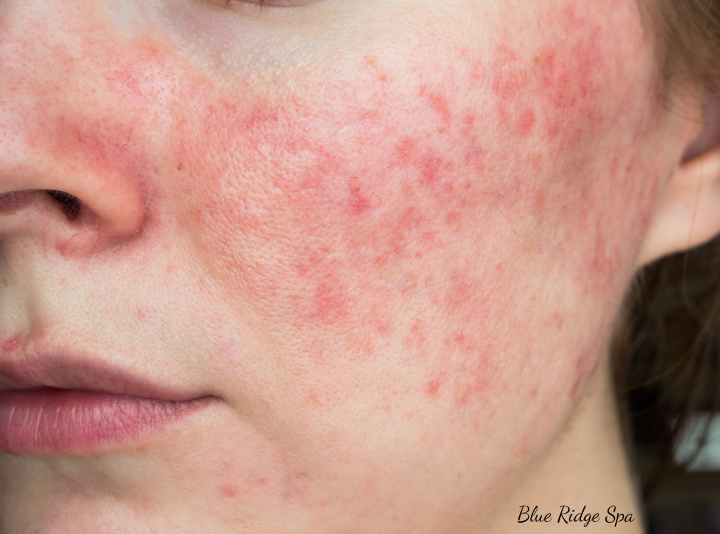
Do you wake up with a “flush” that won’t go away? Or perhaps every new moisturizer you try leaves your face stinging? If your skin feels like a battlefield, you aren’t just “unlucky.” You likely have a skin barrier that is communicating with you.
To master your skincare, you first need to understand exactly what kind of “sensitive” you are. Let’s peel back the layers on sensitive vs. sensitized skin and how Rosacea fits into the puzzle.
Is Your Skin Sensitive or Just Sensitized?
Many people use these terms interchangeably, but in the world of dermatology, they are worlds apart. Understanding this is the “light-bulb moment” for most people.
Sensitive Skin (The Genetic Trait)
Sensitive skin is something you are born with. It is a skin type, much like being born with blue eyes.
- The Science: You naturally have a thinner or more penetrable skin barrier.
- The Signs: You’ve likely dealt with redness, rashes, or reactions since childhood. Your skin is prone to conditions like eczema or hay fever.
Sensitized Skin (The Lifestyle Result)
Sensitized skin is acquired. It is a state of irritation caused by external factors. Anyone, regardless of their skin type, can become sensitized.
- The Science: You have physically or chemically damaged your protective lipid barrier.
- The Culprits: Over-exfoliating (too many acids), harsh weather, pollution, stress, or using products with high alcohol/fragrance content.
- The Good News: Unlike sensitive skin, sensitized skin can be treated by stripping back your routine and focusing on repair.
When Sensitivity Becomes Rosacea
Rosacea is more than just sensitivity; it is a chronic inflammatory vascular condition that should be diagnosed by a Doctor. While sensitivity usually stays on the surface, Rosacea involves the blood vessels and the immune system.
How to spot Rosacea:
- Persistent Redness: A “sunburn” that doesn’t go away in the center of the face.
- The “Sting”: A burning or stinging sensation when applying even basic products.
- Visible Vessels: Tiny broken capillaries around the nose and cheeks.
- Texture: Small, red, pus-filled bumps (often mistaken for hormonal acne).
The Deep Dive: Why is My Skin Reacting?
To understand reactive skin, imagine your skin barrier as a brick wall. Your skin cells are the bricks. The Lipids (Ceramides/Cholesterol) are the mortar keeping the structure together.
In sensitive skin and Rosacea, the “mortar” is cracked or missing. When the wall has holes, two things happen:
- Transepidermal Water Loss (TEWL): Moisture evaporates out, leaving skin dry and tight.
- Irritant Entry: Pollutants, bacteria, and chemicals seep in, triggering the immune system to send a “red alert” which results in inflammation and flushing of the skin.
The Best Skincare Routine: Less is More
If you want to heal, you must stop trying different “miracle” ingredients and start protecting your skin barrier.
Your Morning Routine
- Cleanse: Use only lukewarm water or a very mild, milky cleanser.
- Soothe: Add a serum with Vitamin B5 (Pantothenic Acid) to your routine. These ingredients act like ‘fire extinguishers’—they’re designed to instantly calm down irritation and cool off your skin.
- Protect: A mineral-based SPF (Zinc Oxide). UV damage is the most common trigger for both Rosacea and sensitized skin.
Your Evening Routine
- Double Cleanse:Try a cleansing balm or cleansing oil to dissolve your SPF. It does the hard work for you, so you can clean your face without any harsh rubbing or irritation
- Repair: Use a moisturizer designed to repair your skin’s surface. Look for ‘ceramides’ on the label—they act like a protective shield for your face and help rebuild your skin’s natural barrier so it stays hydrated and calm.
- Treat: See an Esthetician for professional guidance. They are taught how to help people soothe Rosacea. They can suggest specific treatments that fight bacteria and inflammation much more gently than standard acne products, making them perfect for sensitive skin.
Quick Reference: Ingredients to Love vs. Avoid
| Avoid (The Triggers) | Embrace (The Healers) |
| Synthetic Fragrance & Parfume | Ceramides (The mortar) |
| Denatured Alcohol | Colloidal Oatmeal (Calms itching) |
| Physical Scrubs (Walnut/Apricot) | Squalane (Mimics natural oils) |
| High-strength Retinol | Niacinamide (Strengthens the wall) |
| Witch Hazel | Allantoin (Heals the skin surface) |
Healing sensitive skin isn’t about finding one magic product; it’s about a lifestyle of protection. When you stop treating your skin with harsh active ingredients and start nourishing the barrier, the redness naturally begins to fade.
Try to think of your skin as a shield rather than a sponge. It’s doing its best to protect you, and once you give it the gentle care it needs, you’ll really start to see the difference
Whether you have a quick question or are looking for a customized plan, feel free to reach out. Let’s work together to get your skin back to its happiest, healthiest self!
Contact Me directly at 828-289-7183 or click here to Book a Treatment/Consultation